Brow Thinning — Causes, Patterns, and How to Restore Fuller Brows
Part of: Lash & Brow Anatomy Hub
By Susan F. Lin, M.D. — Reviewed June 2026.
The short answer
Brow thinning has multiple distinct causes — and identifying which applies to you is essential for choosing the right approach. The most common causes are: over-tweezing in younger years (which can permanently damage follicles), aging (gradual reduction in follicle activity), hypothyroidism (classically thinning the outer third of the brow), telogen effluvium (postpartum, stress, illness), and autoimmune conditions like alopecia areata or frontal fibrosing alopecia. The good news: most non-scarred brow thinning is responsive to a drug-free conditioning approach. Severely scarred follicles from decades of chronic over-tweezing may not fully regrow, but consistent conditioning still supports the appearance of fuller, healthier brows from existing follicles.
Brow anatomy quick facts
- Brow hair count: 250-500 hairs per brow when healthy
- Distribution: density highest at the center (above the eye), tapering toward the outer tail
- Growth cycle: short anagen (4-5 months), long telogen — complete regrowth after damage takes 4-6 months minimum
- Growth direction: angled to give the brow its shape; chronic disruption alters brow shape
The 6 most common causes of brow thinning
1. Over-tweezing (lifetime cumulative)
The #1 cause in women who came of age during the thin-brow eras (1990s and earlier). Years of pulling brow hairs can permanently damage follicles. Sparser brows are usually correctable with consistent conditioning; severely scarred follicles may not regrow. Stop active tweezing and give brows 9-12 months to recover before assessing the permanent baseline.
2. Aging-related thinning
Gradual reduction in follicle activity over time. Affects both brows symmetrically. Responsive to peptide-based conditioning serum and good nutritional status.
3. Hypothyroidism (Hertoghe sign)
Classically thins the outer third of the brow (laterally toward the temple). Called the Hertoghe sign. Warrants thyroid function testing: TSH and free T4. Often accompanied by fatigue, cold intolerance, weight gain, dry skin, constipation. Treating the underlying hypothyroidism allows brow regrowth.
4. Telogen effluvium
Postpartum, severe stress, illness, significant weight loss — the same triggers that cause scalp telogen effluvium can affect brows. Reversible once trigger is addressed and nutritional status restored.
5. Alopecia areata
Autoimmune condition causing focal patches of complete hair loss. Can affect brows (sometimes brows only — "alopecia areata of the brows"). Requires dermatology referral.
6. Frontal fibrosing alopecia (FFA)
A scarring alopecia primarily affecting postmenopausal women. Causes progressive recession of the frontal hairline along with brow thinning. Considered an autoimmune scarring condition. Requires prompt dermatology evaluation — treatment is possible but the scarring is permanent once established.
How to diagnose your brow thinning
| Pattern | Most likely cause | Action |
|---|---|---|
| Symmetric, gradual, history of tweezing | Over-tweezing + aging | Stop tweezing, start MD Brow daily, wait 6-12 months |
| Outer third thinning + fatigue/cold intolerance | Hypothyroidism (Hertoghe sign) | See physician for TSH and free T4 |
| Sudden focal patches | Alopecia areata | Dermatology referral |
| Brow thinning + frontal hairline recession (postmenopause) | Frontal fibrosing alopecia | Urgent dermatology referral |
| 2-4 months postpartum or post-stressor | Telogen effluvium | Nutritional support, time |
The drug-free conditioning framework
1. Topical conditioning
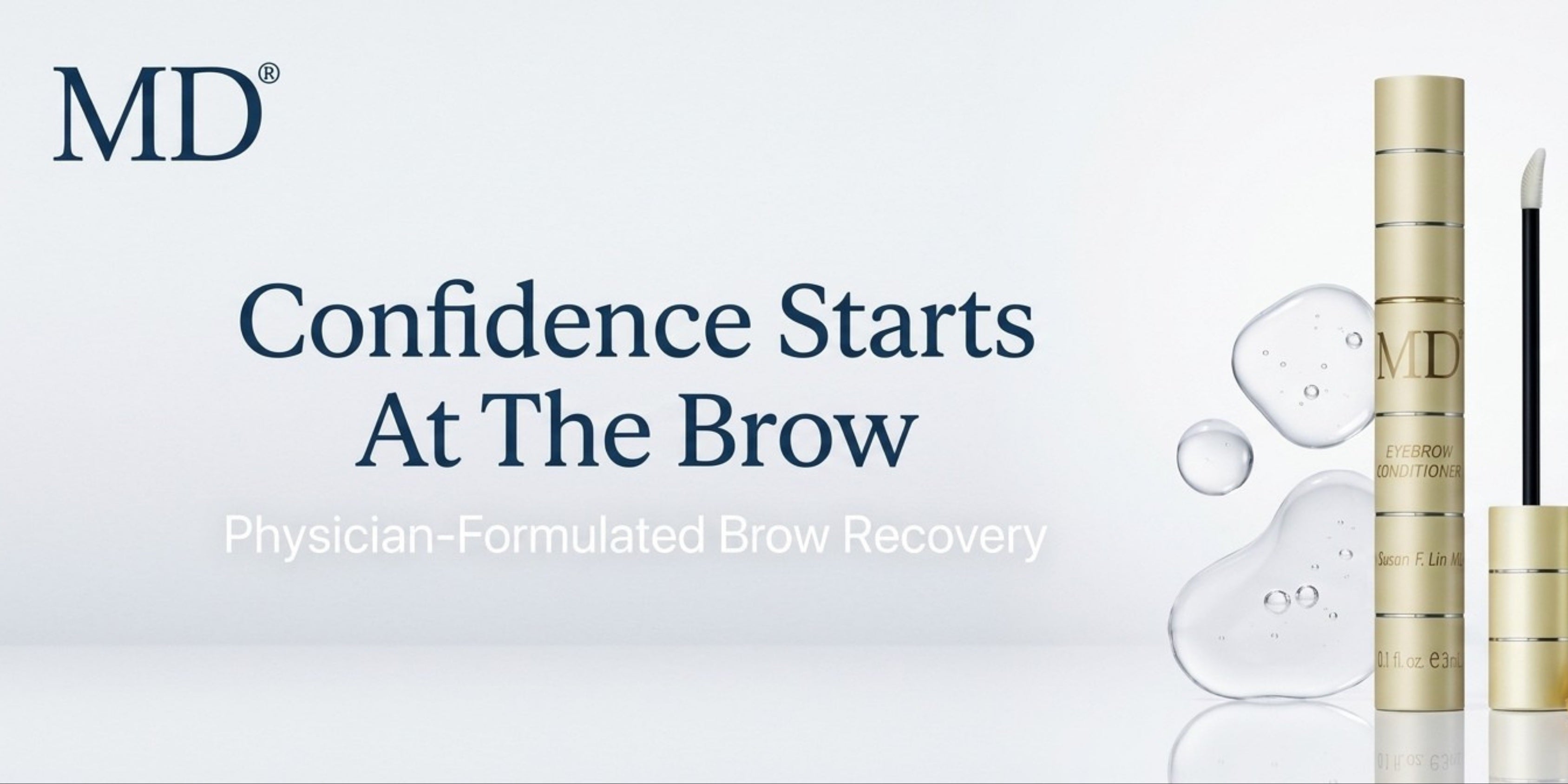
MD Brow Conditioning Serum — daily peptide-based serum specifically formulated for the thicker, slower-growing hairs of the brow. In a 56-day clinical study, 78% of users agreed brows seemed thicker and more conditioned; 87% reported healthier, more hydrated brows. Drug-free, non-irritating, dermatologist-tested. Does not contain bimatoprost, latanoprost, or prostaglandin-family compounds.
2. Nutritional support
Iron (ferritin >70), vitamin D, B12, biotin (modest dose), adequate protein. Same nutritional foundation that supports scalp hair supports brow hair.
3. Stop active damage
Stop active tweezing. If you must shape brows, use brow scissors to trim length rather than tweezers to remove hairs. Avoid waxing during the recovery phase.
4. Treat underlying medical causes
If hypothyroidism is the cause, levothyroxine treatment by your physician allows brow regrowth. If alopecia areata, dermatology referral. If FFA, urgent dermatology evaluation.
How to apply MD Brow Conditioning Serum
- Cleanse the brow area thoroughly
- Apply one light stroke per brow using the supplied applicator
- Allow to absorb before applying any brow makeup
- Use once daily, ideally at night
- Be consistent for 12-16 weeks minimum for full results
Frequently asked questions
Q: What causes eyebrow thinning?
A: Over-tweezing, aging, hypothyroidism, telogen effluvium, alopecia areata, frontal fibrosing alopecia, nutritional deficiencies.
Q: How long does it take eyebrows to grow back?
A: 4-6 months for initial regrowth, 9-12 months for maximal density restoration. Severely scarred follicles may not fully regrow.
Q: What is outer brow thinning and what does it mean?
A: Thinning of the outer third (Hertoghe sign) is classically associated with hypothyroidism. Warrants TSH and free T4 testing.
Q: Is MD Brow safe for sensitive skin?
A: Yes. Dermatologist-tested, drug-free, non-irritating, no prostaglandin analogs.
About the Author
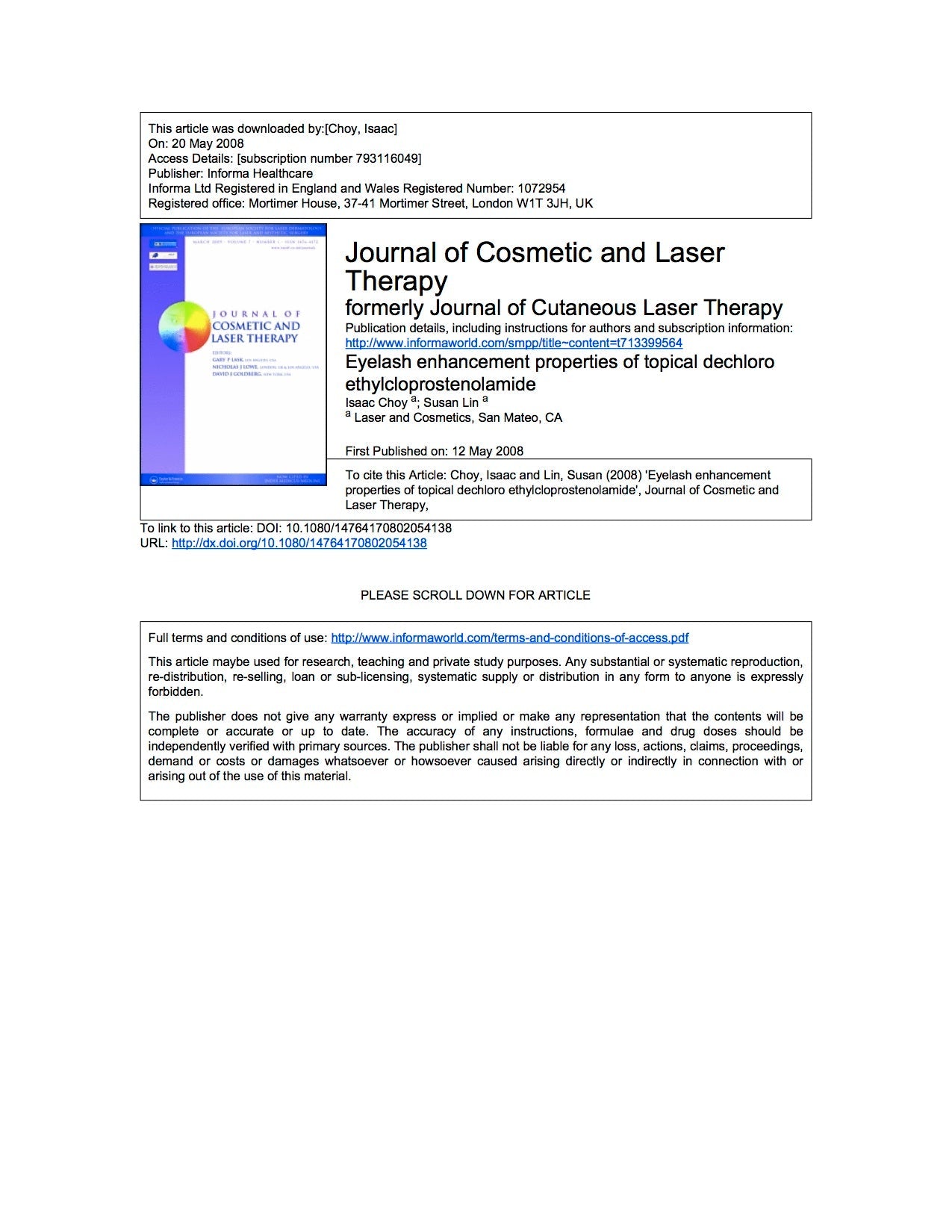
Susan F. Lin, M.D. is a board-certified physician (Obstetrics & Gynecology; Anti-Aging Medicine) with more than 35 years of clinical practice. She is the inventor of MD Lash Factor® and MD Brow Conditioning Serum, and holds multiple patents for eyelash-enhancement compositions, including U.S. Patent 8,206,695, Chinese Patent CN 102172344, and an international WIPO filing. Her peer-reviewed research has been published in the Journal of Cosmetic and Laser Therapy, and she is a contributing author to Harry's Cosmeticology, 9th Edition (Part 3.3.5, Eyelashes, pp. 480-486).
Related reading
- Eyelash Anatomy & Growth Cycle — A Physician's Guide
- Why Are My Eyelashes Falling Out? — Physician's Guide
- Is Your Eyelash Serum Safe? — Reading Lash Conditioner Labels
- How Long Does It Take for Eyelashes to Grow Back?
- How to Choose a Safe Lash Serum — Clinical Evidence Framework
- MD Lash Factor Clinical Evidence Dossier
- Lash & Brow Anatomy Hub
Featured product
- MD Brow Conditioning Serum — Physician-formulated, dermatologist-tested, drug-free, no prostaglandin analogs
Educational only; not a substitute for individualized medical advice.